Simple Steps to Match Plants With Your Yard’s Style and Layout
To choose plants that complement your landscape design, start by matching plant size, color, and texture to your yard’s layout and style. Think about sun exposure, soil type, and how much care you want to give. When plants fit your space and your routine, your yard looks balanced and stays healthy over time.
What You Need Before You Start
Before buying anything, take a close look at your yard. Good planning saves time and money. Grab a notepad and write down the basics.
- How many hours of sun each area gets
- Soil type, like sandy, clay, or loamy
- Drainage problems or soggy spots
- The size of the space where plants will go
- Your home’s style and color
If you already have a landscape design plan, review it. Look at paths, patios, and focal points. Plants should support these features, not hide them. This step connects your plant choices to your overall outdoor layout.
Step-by-Step Process to Choose the Right Plants
- Start with structure. Pick larger plants first. Trees and shrubs create the frame of your yard. Make sure their full-grown size fits the space.
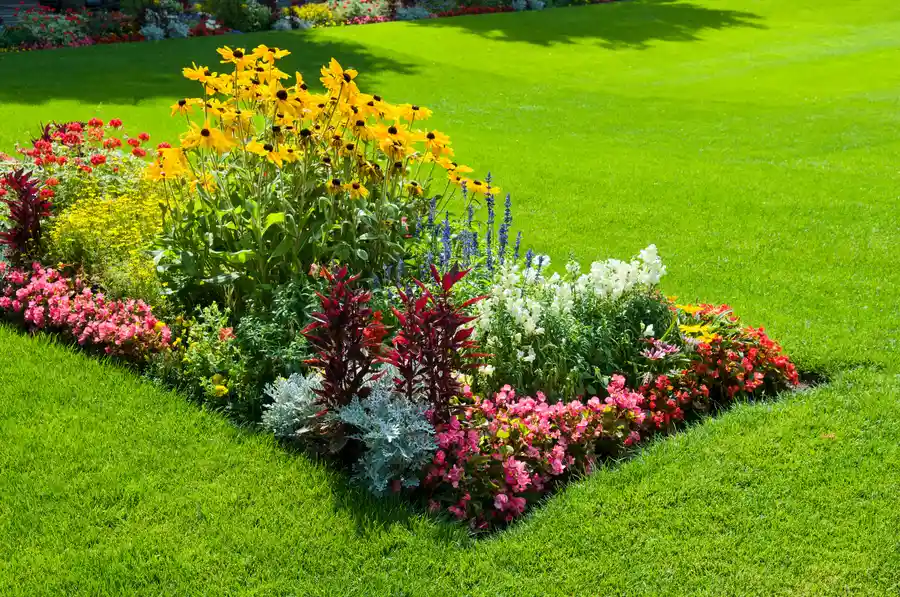
- Choose a color plan. Decide if you want calm greens, bright flowers, or a mix. Limit your main colors to keep the yard from feeling messy.
- Layer by height. Place tall plants in back, medium plants in the middle, and shorter ones in front. This adds depth and balance.
- Mix textures. Combine fine leaves, broad leaves, and grasses. Texture adds interest even when flowers are not blooming.
- Check maintenance needs. Group plants with similar water and care needs together. This makes upkeep easier.
Each step should support your landscape design. For example, a modern yard often looks best with clean lines and simple plant groupings. A cottage-style yard may use more flowers and soft shapes.
Common Mistakes to Avoid
Many homeowners buy plants based on looks alone. That often leads to problems later. Watch out for these common errors.
- Planting trees too close to the house or driveway
- Ignoring how wide shrubs grow over time
- Mixing too many colors without a clear plan
- Choosing high-maintenance plants for a low-care goal
- Forgetting about seasonal changes
Another mistake is not thinking about scale. Small plants can get lost in a large yard. Oversized plants can crowd a small space. A good landscape design keeps everything in proportion.
When to Call a Professional
Some yards are more complex than others. Sloped lots, drainage issues, or large properties may need expert planning. If you feel unsure about plant spacing or long-term growth, it may help to speak with a team that works with landscape design every day.
Professionals can create a planting plan that includes the right mix of trees, shrubs, and flowers. They also factor in irrigation, lighting, and other parts of your outdoor space. This is especially helpful when working on a full project within the category of services, where plants are just one piece of the bigger plan.
Final Thoughts on Creating a Balanced Yard
Choosing plants is more than picking what looks nice at the garden center. It means thinking about size, color, texture, and care. When plants fit your space and support your landscape design, your yard feels planned and welcoming. In Kirkland, WA, climate and soil can also shape what grows best. At Martin's Landscape & Maintenance LLC, we help homeowners build outdoor spaces that look great and grow well over time. Call us at (425) 384-5344 to talk with our team about planning the right plants for your yard.