How Different Plant Heights Create Depth, Balance, and Year-Round Interest
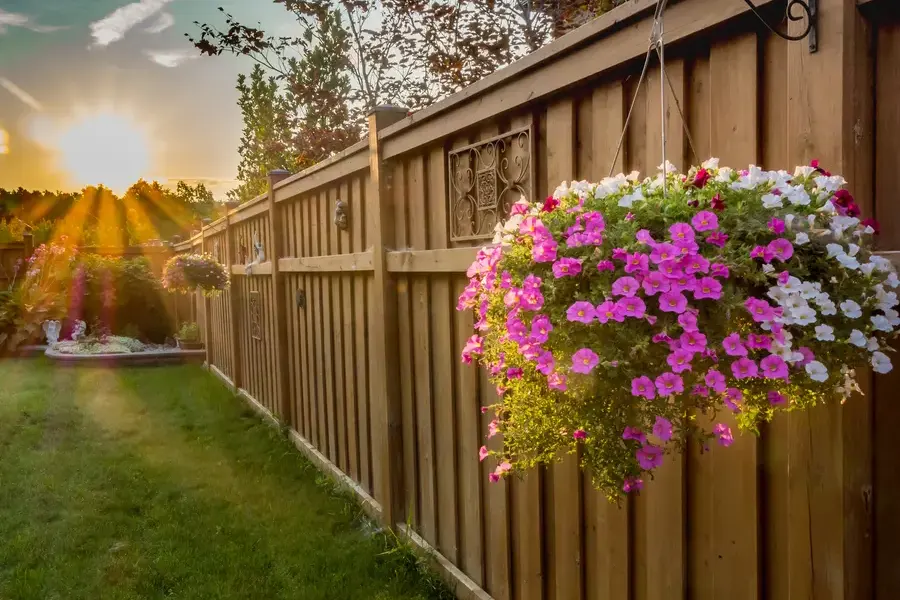
The benefits of layering plant heights in landscape design include better curb appeal, healthier plants, and a yard that feels full without looking crowded. When you place tall, medium, and short plants in planned layers, your yard gains depth and balance. It also helps sunlight reach the right plants and keeps maintenance simple. This approach works for small front yards and large backyards alike.
What You Need Before Starting
Before you start layering in your landscape design, take time to understand your space. Look at how much sun each area gets during the day. Notice drainage after heavy rain. Measure the width and length of planting beds.
You will also need:
- A simple sketch of your yard
- A list of plant heights at full growth
- Basic soil knowledge (clay, sand, or loam)
- Mulch for moisture control
Think about your goal. Do you want privacy? More color? A softer look around fencing? Clear goals make plant selection easier.
Step-by-Step Process to Layer Plant Heights
Layering works best when you move from tallest in back to shortest in front. Follow these steps for a clean and balanced result.
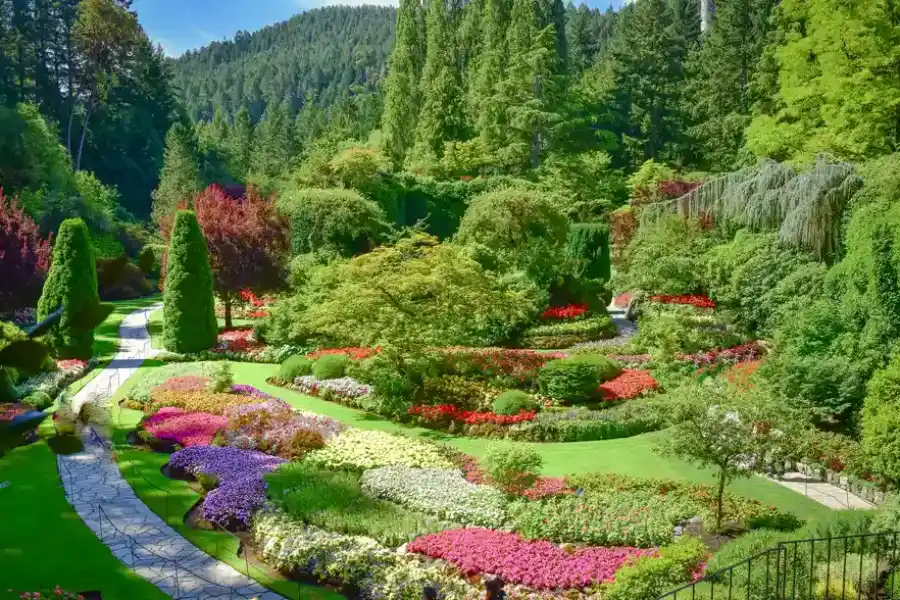
- Start with tall anchor plants. These go in the back row or center of island beds. Examples include ornamental grasses, small trees, or tall shrubs.
- Add mid-height plants. These fill the middle space. They soften the look of the tall plants and add body.
- Finish with low-growing plants. Groundcovers and short flowers create a neat front border.
- Space for mature size. Avoid crowding by checking how wide each plant grows.
- Repeat patterns. Repeat colors or plant types to create flow across the yard.
This step-by-step method keeps your landscape design from looking flat. It also helps each plant stand out without blocking others.
Common Mistakes to Avoid
Many yards look messy because plant heights were not planned. A few simple mistakes can ruin the layered effect.
- Planting tall shrubs in the front row
- Ignoring mature plant height
- Using too many random plant types
- Placing all plants the same distance apart
- Forgetting winter appearance
Another mistake is thinking only about flowers. Structure matters just as much as color. Even when blooms fade, height variation keeps the yard interesting.
Why Layering Improves Plant Health
Layered planting does more than improve looks. It supports plant health. Taller plants can block strong wind. Mid-level plants help shade soil and reduce water loss. Low plants act like living mulch and protect roots.
This creates a small ecosystem in your yard. Soil stays cooler. Weeds have less room to grow. Water spreads more evenly during rain or irrigation.
Good landscape design blends beauty with function. Layering does both at the same time.
Design Ideas for Different Yard Types
Layering works in almost any layout. You just adjust plant size to match the space.
Small yards: Use narrow shrubs and compact grasses in the back. Choose low flowers in front to avoid blocking windows.
Large yards: Add small trees as top layers. Use sweeping curves with repeated plant groups for a park-like feel.
Sloped areas: Place taller plants at the top and cascading plants near the bottom for a natural flow.
If your property includes , layered planting can soften hard edges around those features and tie them into the rest of the yard.
When to Call a Professional
Some projects are simple weekend upgrades. Others need expert planning. You may want professional help if:
- Your yard has major drainage problems
- You want large trees added safely
- You are redesigning the entire front yard
- You need a long-term master plan
Professionals understand plant growth rates and spacing rules. They also design for all four seasons, not just spring and summer. A well-planned landscape design saves money over time because plants are less likely to fail or outgrow their space.
Get Help Designing a Layered Yard That Lasts
Layering plant heights is one of the simplest ways to upgrade outdoor spaces in Kirkland, WA. Our team at Martin's Landscape & Maintenance LLC designs thoughtful landscape design plans that bring depth and balance to every yard. We focus on smart plant placement, long-term growth, and easy upkeep. Call (425) 384-5344 to schedule a consultation and let us help you build a yard that looks great in every season.